
The Emotional Health of Women: Understanding Challenges and Finding Strength
Audio Version
Women and Emotional Health: A Changing Landscape
Many roles played by women have dramatically changed in recent decades. Gone are the days when women were expected to take a backseat. Today, women occupy vital positions in every area of life, yet the demands on them have increased rather than diminished.
Whether as a boss, mother, friend, mentor, or daughter, women often juggle multiple roles, sometimes balancing them with little time for self-care. The result? Overwhelm. According to the National Institute of Mental Illness (NIMH), nearly 29 million American women experience symptoms of behavioral health concerns. Many more remain untreated, highlighting the importance of early intervention.
The Myth of Women as the “Weaker Gender”
For generations, women have been unfairly labeled as the “weaker gender,” a stereotype that minimizes strength in both emotional and physical resilience. Although society has made progress, traces of these outdated beliefs continue to shape how women’s mental and emotional health are perceived and discussed today.
Research from the American Psychiatry Association (APA) shows that women experience depression, anxiety, eating disorders, and PTSD about 40% more often than men. These conditions often stem from a combination of biological, social, and cultural factors.
Factors contributing to women’s emotional health challenges include:
- Hormonal fluctuations during menstruation, pregnancy, and menopause.
- Social pressures and multitasking demands.
- Trauma and violence, with women more likely to develop PTSD after trauma exposure.
- Eating disorders, which statistically affect women at higher rates.
Gender and Emotional Health
The World Health Organization (WHO) notes that gender is a “critical determinant” of emotional health. Gender influences access to resources, social position, and exposure to emotional health risks.
WHO reports striking differences in emotional health between men and women:
- Depressive disorders account for nearly 41.9% of disability from neuropsychiatric disorders among women compared to 29.3% in men.
- Older women are more likely to experience depression, dementia, and organic brain conditions.
- Up to 50% of women worldwide face violence, and at least one in five women experience rape or attempted rape in their lifetime.
This magnifies the importance of addressing women’s emotional health holistically.
Finding Strength Through Counseling
The challenges women face can feel overwhelming, but you are not alone. Counseling can help you:
- Understand and manage stress.
- Process trauma and emotional distress.
- Build self-care habits.
- Regain confidence and balance.
At Carolina Counseling Services, Cameron, NC, our caring, independent therapists work with women to navigate their unique emotional health challenges. Therapy is a safe space to regain strength and develop strategies for a healthier, more balanced life.
We see clients with Aetna, Aetna State Health plan, Blue Cross Blue Shield of North Carolina, Tricare, and many of the Medicaid policies to include Alliance, Carolina Complete Health, WellCare, Healthy Blue, and United Healthcare.
Take care of yourself, because you matter. Call Carolina Counseling Services today to schedule your first appointment.
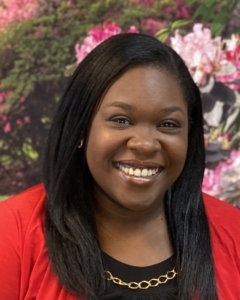
Ebone L. Rocker, LCMHCS, is one of the Owners and Vice Presidents of Carolina Counseling Services. She is a Licensed Clinical Mental Health Counselor Supervisor in the State of North Carolina.


 PO BOX 9909 Fayetteville, NC 28311